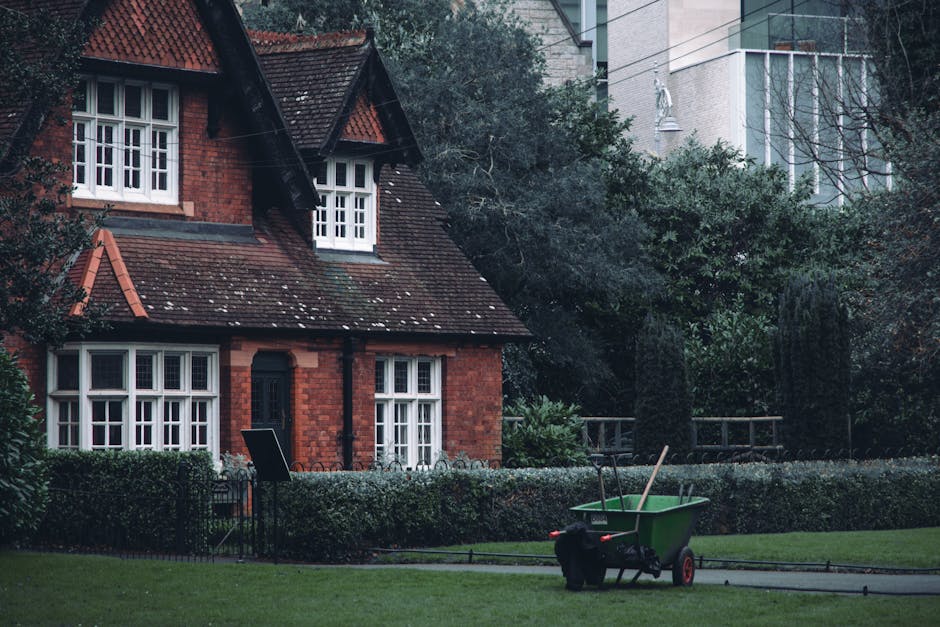
Dulwich Village gardeners for expert garden maintenance
If your garden in Dulwich Village is starting to feel a bit untidy, overgrown, or simply harder to keep on top of, you are not alone. Between hedges that grow faster than expected, borders that need regular attention, and lawns that seem to change mood with every season, garden upkeep can quietly become a full-time job. That is where Dulwich Village gardeners for expert garden maintenance make a real difference. They bring structure, timing, and steady care to the sort of tasks that are easy to delay until, well, they are impossible to ignore.
This guide explains what expert garden maintenance involves, how local gardeners typically work, what to expect from a professional service, and how to decide whether it is the right fit for your home or property. You will also find practical tips, a checklist, and a realistic comparison of maintenance options. Straightforward stuff, but genuinely useful.
Table of Contents
- Why Dulwich Village gardeners for expert garden maintenance Matters
- How Dulwich Village gardeners for expert garden maintenance Works
- Key Benefits and Practical Advantages
- Who This Is For and When It Makes Sense
- Step-by-Step Guidance
- Expert Tips for Better Results
- Common Mistakes to Avoid
- Tools, Resources and Recommendations
- Law, Compliance, Standards, or Best Practice
- Options, Methods, or Comparison Table
- Case Study or Real-World Example
- Practical Checklist
- Conclusion
- Frequently Asked Questions
Why Dulwich Village gardeners for expert garden maintenance Matters
A well-kept garden does more than look nice. It protects plant health, keeps access safe, and helps your outdoor space feel usable rather than vaguely stressful. In Dulwich Village, gardens often have a mix of mature planting, compact front spaces, family lawns, sheltered courtyards, and long-established shrubs. That mix can be beautiful, but it also means maintenance has to be thoughtful. Not every garden needs the same schedule. Not every plant likes the same treatment. And not every tidy-up is actually helpful.
Expert maintenance matters because small tasks build up quickly. One missed hedge trim can shadow a bed. One wet season can expose drainage issues. A few weeks of neglect can mean weeds seeding, lawns thinning, and borders losing shape. To be fair, most gardens do not fail all at once; they simply drift. That drift is what local gardeners help prevent.
There is also a local context to consider. Properties in Dulwich Village often sit within a careful, well-kept streetscape, so the garden needs to work visually as well as horticulturally. A strong maintenance plan supports that balance. It keeps the garden looking intentional through spring, summer, autumn, and the unglamorous bits of winter too.
Expert summary: Good garden maintenance is not just cutting things back. It is timing, observation, and regular attention to the parts of the garden that affect the whole picture.
How Dulwich Village gardeners for expert garden maintenance Works
Professional garden maintenance usually starts with a walkthrough. A gardener looks at the size of the space, the condition of the lawn and beds, the type of planting, access points, and any recurring issues such as moss, patchy growth, or persistent weeds. Then the work is shaped around priorities. A small urban garden and a larger family plot need very different rhythms, and that is exactly the sort of judgement experience brings.
In practical terms, maintenance can include mowing, edging, hedge trimming, pruning, deadheading, weeding, leaf clearance, feeding, mulching, border tidying, and seasonal planting. Some gardens also need light reshaping, support for climbing plants, or careful management around paths and patios. It is not just about appearance. It is about keeping the garden in a condition where healthy growth can continue.
A good gardener will also notice what is not immediately obvious. Is water pooling after rain? Are the roses getting enough air? Has a shrub become too woody to respond well to a hard cut? Those little observations save problems later. Honestly, that is where the real value lies.
Many clients choose a regular visit pattern because it is easier to keep a garden in good condition than to rescue it every few months. Weekly, fortnightly, or monthly visits can all make sense depending on how fast the garden grows and how polished you want it to look. A one-off tidy-up is useful too, especially ahead of an event, house sale, or seasonal change.
Key Benefits and Practical Advantages
There are a few reasons people keep coming back to professional garden maintenance rather than trying to do everything themselves. Some are obvious. Some are not.
- Consistency: Regular care prevents the garden from swinging between overgrown and overcut.
- Healthier plants: Correct pruning, feeding, and deadheading support stronger growth and better flowering.
- Better use of space: Paths stay clear, lawns stay usable, and borders remain accessible.
- Lower long-term effort: Little-and-often maintenance usually reduces the need for major recovery work later.
- Better presentation: A tidy garden improves kerb appeal and makes the property feel more cared for.
- Seasonal control: Gardens in the UK can change quickly after rain, wind, or a warm spell, so regular attention matters.
There is a quieter benefit too: peace of mind. You stop wondering when you will have time to sort the hedge, or whether the lawn will recover from another damp patch. That mental load is real. In a busy household, especially one juggling work and school runs, it can be a relief to know the garden is being looked after properly.
If you are comparing service standards, it is worth looking at the wider support pages on garden services and maintenance options, and if you want clarity on costs, the page on pricing and quotes is a sensible next stop.
Who This Is For and When It Makes Sense
This kind of service suits more people than you might think. You do not need a giant garden to benefit from expert maintenance. In fact, smaller gardens can be more demanding because every inch is visible. A few weeds in a tiny border can suddenly make the whole place feel untidy. Funny how that works, isn't it?
It usually makes sense if you:
- have a garden that has become too much to manage alone
- want reliable upkeep without hiring separate help for each task
- care about plant health as well as appearance
- need regular seasonal attention for hedges, borders, and lawns
- are preparing a property for sale, rental, or family use
- prefer a neat outdoor space but do not enjoy the time, tools, or physical effort needed to maintain it
It can also be helpful for older homeowners, busy professionals, landlords, and families who use the garden hard enough that it needs proper upkeep. One client with a narrow townhouse garden once described it as "looking fine from the kitchen and terrible from the gate." That sort of garden often just needs a steady hand and a predictable routine.
If you are unsure who is behind the service, a quick look at the about us page can help you understand the approach and values before you commit. And if you have questions that are more specific, the contact us page is the natural place to start a conversation.
Step-by-Step Guidance
If you are thinking about booking regular maintenance, here is a practical way to approach it. Nothing flashy. Just a sensible process.
- Assess the garden honestly. Look at what is actually happening, not what you hope is happening. Which areas are thriving? Which are declining?
- List the priorities. For example: lawn care, weeding, hedge trimming, border shaping, leaf clearance, or seasonal planting.
- Decide the frequency. Faster-growing gardens need more regular visits. Slower, more structured spaces may only need monthly attention.
- Ask about methods. A good gardener should explain how they handle pruning, waste removal, and recurring maintenance tasks.
- Agree the scope. Know what is included, what is extra, and what should be left for a separate job.
- Set realistic goals. A neglected garden may need a few visits before it settles into a manageable routine.
- Review seasonally. Your garden will not need exactly the same care in March as it does in August, and that is normal.
A useful rule of thumb: if you keep waiting until everything feels urgent, the work gets heavier. If you keep it steady, the garden becomes much easier to live with. Not miraculous. Just easier. Which, honestly, is the point.
Expert Tips for Better Results
Over time, a few habits tend to separate a healthy, good-looking garden from one that always feels one step behind. These are simple, but they matter.
- Prune with purpose. Cutting back should support shape, health, and flowering, not just reduce volume.
- Do not overfeed everything. Some plants respond well to feeding; others become soft and leggy if overdone.
- Keep edges sharp. Clean lawn and border edges make even a modest garden feel more cared for.
- Mulch at the right time. Mulching helps retain moisture and suppress weeds, but it should not bury crowns or stems.
- Watch drainage after heavy rain. Wet patches tell you a lot about compaction, soil health, or slope.
- Stay on top of weeds before they seed. A small win there saves much bigger work later.
A slightly less obvious tip: keep a short record of what was done and when. You do not need a fancy system. A few notes on your phone are enough. That way, if a shrub flowers badly one year or a lawn struggles after summer, you can spot patterns instead of guessing.
And yes, some jobs are best left to someone with the right tools and a practiced eye. There is no shame in that. Trying to wrestle a tall hedge with a wobbly ladder and determination alone is not a noble character-building exercise. It is just a bit daft.
Common Mistakes to Avoid
Garden maintenance sounds simple until the wrong cut, wrong timing, or wrong treatment creates a bigger problem. A few mistakes come up again and again.
- Cutting too much at once: Heavy pruning can stress plants, especially if done at the wrong time of year.
- Ignoring the season: Spring, summer, autumn, and winter all require different approaches.
- Leaving debris behind: Fallen leaves and cuttings can smother lawns or encourage disease if left in place.
- Using a one-size-fits-all routine: Borders, lawns, shrubs, and climbers need different care.
- Delaying maintenance until it becomes a rescue job: This usually costs more time and effort later.
- Forgetting about safety and access: Steps, slopes, and uneven ground deserve proper attention.
One common issue in local gardens is over-trimming hedges just because they "look messy" for a week or two. Truth be told, a hedge that is cut at the wrong time can lose shape or reduce nesting cover, depending on the species. Better to be measured than enthusiastic. The garden will thank you for it.
Tools, Resources and Recommendations
A professional gardener will usually bring the right tools for the job, but it helps to understand what good maintenance often involves. For lawns, that may mean a mower with a clean blade, edging tools, and occasional scarifying or aeration depending on condition. For borders, hand tools, secateurs, and cultivators may be used. For hedges and shrubs, sharp cutting equipment matters far more than brute force.
If you are maintaining a garden yourself between visits, a few basics go a long way:
- sharp secateurs for light pruning and deadheading
- a reliable mower suitable for your lawn size
- gloves that actually fit properly
- a rake for leaves and debris
- an edging tool for clean lawn lines
- a watering can or hose setup that reaches problem areas
It is also sensible to think about waste handling. Green waste can build up quickly during a full tidy-up, so ask how it will be removed or recycled. If sustainability matters to you, the page on recycling and sustainability explains the approach in more detail. That sort of practical detail is easy to overlook, then suddenly your driveway is full of bags. Happens all the time.
For service standards, it is also useful to understand how a provider handles safety, privacy, and payments. The relevant support pages include health and safety policy, insurance and safety, and payment and security.
Law, Compliance, Standards, or Best Practice
Garden maintenance is practical work, but it still sits within a framework of sensible UK business practice and property care. You do not need to become a legal expert to choose a good service, but you should expect clear terms, safe working methods, and proper handling of any personal details or payments.
Best practice usually includes:
- clear written or verbal agreement on scope of work
- safe use of tools, ladders, and machinery
- appropriate insurance cover where relevant
- careful handling of waste and site cleanliness
- respect for boundaries, neighbours, and access points
- transparent terms around quotations, invoicing, and cancellations
If you are comparing providers, it is reasonable to ask how they manage complaints, privacy, and terms of service. That is not being difficult. It is just sensible. You can review supporting policies such as terms and conditions, privacy policy, and complaints procedure. These pages help set expectations in a straightforward way.
Accessibility can matter too, especially if you need communication in a format that works for you or a household member. The accessibility statement is worth reading if that is relevant.
Options, Methods, or Comparison Table
Different gardens need different levels of support. Below is a simple comparison to help you decide what kind of maintenance arrangement is likely to suit you best.
| Option | Best for | Typical strengths | Watch-outs |
|---|---|---|---|
| One-off tidy-up | Neglected gardens, pre-event refresh, seasonal reset | Fast visible improvement, good for urgent jobs | Problems may return quickly without follow-up |
| Regular maintenance visits | Most homes and long-term garden care | Consistent results, fewer build-ups, better plant health | Needs a recurring budget and agreed schedule |
| Seasonal maintenance | Gardens with slower growth or simpler layouts | Lower frequency, useful at key times of year | Can miss fast-growing issues between visits |
| Ad hoc help | Specific jobs only, such as hedges or clearance | Flexible, task-focused | Less effective for overall garden condition |
In many cases, regular maintenance gives the best long-term outcome because it keeps the garden in balance. But if your garden is relatively low-maintenance, a seasonal approach may be enough. The right answer depends on how quickly things grow, how much you use the space, and how polished you want it to feel.
Case Study or Real-World Example
Here is a realistic example. A Dulwich Village homeowner had a medium-sized rear garden with a lawn, a few mature shrubs, and several borders that were becoming crowded. It still looked pleasant from a distance, but up close the edges were soft, weeds were returning after every rain, and one corner had turned into a kind of leafy waiting room for debris.
The first visit focused on clearance and reshaping. The lawn was edged, the borders were reduced to a manageable structure, and the shrubs were lightly pruned rather than hacked back. A second visit a few weeks later handled follow-up weeding, deadheading, and a better rhythm for ongoing care. By the end of the season, the garden did not look redesigned. It looked restored. Which, for many homes, is better.
The key lesson was simple: the garden did not need dramatic intervention. It needed regular, measured maintenance. That is often the case in Dulwich Village. Mature gardens usually respond best to patience, not theatre.
Practical Checklist
Use this checklist before booking or reviewing garden maintenance support:
- Have you listed the main problem areas clearly?
- Do you know whether you need one-off work or regular visits?
- Have you checked what is included in the maintenance scope?
- Do you understand how waste will be managed?
- Have you asked about timing, seasonality, and plant care approach?
- Do you need support with lawns, hedges, borders, or all three?
- Have you reviewed the provider's service information and policies?
- Are access, parking, and entry arrangements straightforward?
- Do you want a sustainability-minded approach to green waste?
- Have you considered the long-term rather than just the next tidy-up?
If several of those boxes are still open, that is fine. Better to sort them before the work starts than to make assumptions and hope for the best. Gardens tend to expose assumptions pretty quickly.
Conclusion
Dulwich Village gardens deserve maintenance that is careful, regular, and tailored to the space rather than rushed or generic. The right gardener will do more than keep things neat. They will help your plants stay healthier, your lawn stay usable, and your whole outdoor space feel calm and well kept throughout the year.
The best results usually come from steady attention, a realistic schedule, and a gardener who understands both the practical and aesthetic side of the job. That is especially true in a place like Dulwich Village, where gardens often have character worth preserving. Not every space needs a makeover. Many just need expert, reliable care. And once that rhythm is in place, the garden becomes easier to enjoy than to worry about.
Get a free quote today and see how much you can save.
If you would like to learn more about the wider service offering, take a look at the services overview or explore the company background on the about page. A good first conversation can make the whole process feel a lot simpler.
Frequently Asked Questions
What do Dulwich Village gardeners for expert garden maintenance usually include?
Most maintenance visits include mowing, edging, weeding, hedge trimming, pruning, deadheading, leaf clearance, and general border tidy-up. The exact mix depends on your garden and the agreed scope.
How often should garden maintenance be done?
It depends on how fast the garden grows and how tidy you want it to remain. Many gardens benefit from fortnightly or monthly visits, while some need seasonal support only.
Is a one-off tidy-up enough?
Sometimes, yes. A one-off visit is useful for an overgrown garden, a pre-sale refresh, or a seasonal reset. But if the space grows quickly, regular maintenance usually gives better long-term results.
What should I ask before booking a gardener?
Ask what is included, how waste is handled, whether the gardener brings tools, how often visits are recommended, and what happens if the garden needs extra work beyond the original scope.
Can garden maintenance help with plant health, not just appearance?
Yes. Good maintenance supports healthier growth through proper pruning, better airflow, reduced weed competition, and more appropriate feeding or mulching where needed.
How do I know if my garden needs professional help?
If the space keeps slipping behind, if you are not confident pruning certain plants, or if the workload feels bigger than your available time, professional help usually makes sense.
What is the difference between gardening and garden maintenance?
Garden maintenance usually focuses on keeping an existing garden in good order through regular care. Gardening can be broader and may include planting changes, redesign, or more involved improvements.
Do I need to prepare the garden before a visit?
Usually only lightly. It helps to move toys, furniture, or valuables out of the way if you can, and to mention any fragile plants or access issues in advance.
What happens to the green waste?
That depends on the service arrangement. Some gardeners remove it as part of the job, while others may discuss collection or disposal separately. It is best to confirm this beforehand.
How do I compare different garden maintenance options?
Compare scope, frequency, reliability, communication, safety practices, and pricing transparency. A slightly higher quote may be better value if it includes more consistent care and fewer follow-up headaches.
Are there safety or insurance matters I should check?
Yes. It is sensible to ask about insurance, safe working methods, and how the provider manages tools and access. The support pages on insurance and safety can help you understand that side of the service.
What if I am not sure what my garden actually needs?
That is very normal. A good first step is a simple assessment and conversation about the current condition, the plants you have, and the look you want to maintain. From there, a sensible plan can be built without guesswork.