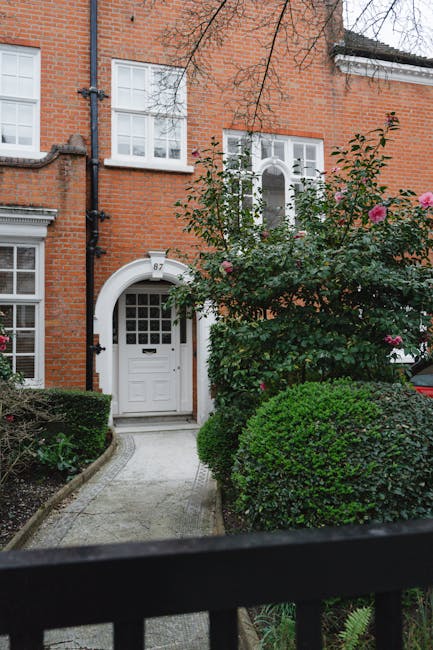
Lordship Lane gardeners for shop front and pub gardens: practical guidance for a smarter, better-kept frontage
Shop fronts and pub gardens do a lot of quiet heavy lifting. They are the first thing people notice, often before they have read a sign or stepped inside. On a busy stretch like Lordship Lane, that matters even more. A neat frontage, healthy planting and tidy hard edges can make a business feel welcoming, cared for and worth pausing for. That is the real value of Lordship Lane gardeners for shop front and pub gardens: not just keeping things alive, but helping a commercial space look open, safe and inviting day after day.
If you run a cafe, pub, restaurant, boutique or takeaway with outdoor planting, this article breaks down what professional garden care actually involves, how to judge quality, and what to expect from ongoing maintenance. It also covers common mistakes, practical checklists, and a few hard-won lessons that are easy to miss until the ivy starts creeping, the pots dry out, or the front path turns into a bit of a bother.
Quick takeaway: the best commercial garden care is consistent, discreet and tailored to footfall, weather, visibility and safety. A pretty border is nice. A tidy, durable, low-fuss frontage is better.
For a broader look at available support, you may also find the services overview helpful, especially if your site needs more than one type of work.
Table of Contents
- Why Lordship Lane gardeners for shop front and pub gardens matters
- How Lordship Lane gardeners for shop front and pub gardens works
- Key benefits and practical advantages
- Who this is for and when it makes sense
- Step-by-step guidance
- Expert tips for better results
- Common mistakes to avoid
- Tools, resources and recommendations
- Law, compliance, standards, or best practice
- Options, methods, or comparison table
- Case study or real-world example
- Practical checklist
- Conclusion
- Frequently asked questions
Why Lordship Lane gardeners for shop front and pub gardens Matters
A commercial garden is not the same as a domestic one. It has to look good in passing rain, lunchtime rushes, Friday evenings, dog walks, deliveries and the occasional bin collection that is, frankly, a bit of a mess. It also has to be practical. If plants block sightlines, spill over pathways or shed too much debris, they stop being an asset and start becoming a nuisance.
That is why local businesses usually need more than occasional tidying. They need regular, predictable garden care that keeps the space working. A pub garden, for example, may need seating edges kept clear, planting softened but not overgrown, and surfaces checked so the place feels relaxed rather than neglected. A shop front, on the other hand, often needs crisp lines, strong presentation and planting that can survive repetition: people brushing past, trolleys, deliveries, and London weather doing its thing.
There is also a brand point here. People often judge businesses quickly. A well-kept frontage can suggest reliability before anyone has spoken a word. Truth be told, customers may never consciously say, "I chose that place because the planters looked healthy," but the visual cue still works. It quietly shapes trust.
For premises that need a more structured seasonal reset, commercial clients sometimes combine regular upkeep with garden clearance to remove dead growth, litter and forgotten clutter before a new planting or presentation plan begins.
How Lordship Lane gardeners for shop front and pub gardens Works
In practice, commercial garden care starts with a site review. Not a grand thing. Just a careful look at how people move, where plants are struggling, what gets dirty quickly and which areas need to stay open and safe. A good gardener will usually ask how the business operates: opening hours, delivery times, smoking areas, customer seating, waste storage, and whether the frontage needs to look its best at particular times of day.
From there, the work is usually set into a maintenance rhythm. That may be weekly, fortnightly, monthly or seasonal, depending on the planting and the level of foot traffic. The aim is consistency. You do not want a pub garden that only looks right two days a month, or a shop front that sags visibly between visits.
Typical tasks may include:
- lawn and edge trimming where grassed areas are part of the frontage
- deadheading, pruning and plant shaping
- watering checks, especially in dry spells or for container planting
- weeding and litter removal
- hedge and shrub control so sightlines stay clear
- seasonal replanting for stronger colour or durability
- surface tidying around borders, paths and seating areas
- safe removal of damaged growth or weak branches
When needed, routine visits can be paired with garden maintenance so the front of house and any back-of-house green areas are looked after under one plan. That tends to be simpler for owners, and far less likely to drift.
Some sites also need structural changes. A planter might be in the wrong place, a hedge may be too high for visibility, or the layout may just not support the way customers move. In those cases, broader landscaping or landscape gardening support can make the frontage more usable, not just prettier. Small difference, big effect.
Key Benefits and Practical Advantages
There are obvious benefits, and then there are the quieter ones. The obvious ones are easy to name: a smarter entrance, better first impressions and fewer complaints about mess or overgrowth. The quieter benefits matter just as much.
- Better customer confidence: tidy outdoor space suggests the business is cared for inside too.
- Improved safety: clear paths, controlled planting and neat edges reduce trip and obstruction risks.
- Less reactive firefighting: regular upkeep stops little problems becoming awkward, expensive ones.
- More usable outdoor space: pub gardens and seating areas feel more comfortable when plant growth is managed properly.
- Stronger seasonal presentation: spring colour, summer fullness and winter structure can all be planned rather than improvised.
- Less pressure on staff: your team should not have to spend spare minutes snipping hedges or pulling weeds between customers.
Another practical benefit is predictability. When maintenance is regular, you know what the frontage will look like next Tuesday, not just next Tuesday if nobody touches it. That reliability is useful for managers, landlords and tenants alike.
For some premises, the best results come from combining upkeep with light structural improvements such as raised beds, decking touches or a smarter seating edge. If that sounds familiar, decking services may be relevant where a pub garden needs a more robust outdoor finish.
And yes, this is one of those jobs where a little discipline saves a lot of hassle. It is not glamorous. But it works.
Who This Is For and When It Makes Sense
This kind of service is a good fit for a few different situations. If you are a pub operator, you probably already know how quickly an outdoor area can slip from welcoming to messy. If you run a retail shop or salon, the frontage may be smaller, but it is still part of the brand. A single neglected planter by the door can change the feel of the whole facade. Slightly unfair, perhaps, but very real.
It makes sense if you:
- need a polished shop front throughout the week
- have pub garden seating or a hospitality terrace that gets regular use
- want planting that stays presentable with limited internal staff input
- manage a site where safety and presentation both matter
- have seasonal plants that need proper rotation or replacement
- have struggled with overgrown hedges, tired borders or patchy lawn areas
It also makes sense if your business has just changed hands, reopened after a quiet period, or been through a rush of wear and tear. A lot of places look fine on day one. By month three, the corners tell a different story. That is where structured support helps.
If the space has become cluttered, unused or difficult to reset, a targeted garden clearance visit can be the simplest starting point before the routine work begins.
Step-by-Step Guidance
Here is a sensible way to approach commercial garden care for a shop front or pub garden without overcomplicating it.
- Walk the site from a customer's point of view. Look at the entrance, seating, kerb line, windows, signage and any places where weeds, litter or overgrowth catch the eye first.
- Separate decorative needs from operational needs. Some plants are there to create atmosphere. Others are there to guide movement or soften hard edges. Do not mix those jobs up.
- Identify the high-risk areas. These are usually paths, steps, blind corners, bins, low branches and pots that dry out or topple in wind.
- Set a maintenance rhythm. Decide what happens weekly, what happens monthly and what happens seasonally. Without that, the work tends to become reactive.
- Choose plants for resilience, not wishful thinking. If a border gets constant foot traffic or harsh sun, choose species that can cope. Beautiful is good. Survivable is better.
- Plan for the weekend and the weather. Pub gardens and hospitality fronts often need a slightly higher presentation level on busy days. Friday afternoon is not the time to discover a broken planter.
- Review after the first month. Small adjustments matter. Maybe the watering schedule is too light, or one hedge line needs reducing. Fine-tuning is normal.
In many cases, this process becomes easier when the wider site is managed by one team. That might include lawn mowing where grass areas are part of the frontage, or hedge trimming where screening and structure need to stay crisp.
Small note, but an important one: the best commercial upkeep plans are boring in the best way. Nothing dramatic. Nothing suddenly collapsing in the middle of service. Just steady work and decent judgement.
Expert Tips for Better Results
To get a frontage that genuinely helps your business, the details matter. Here are a few practical tips that make a noticeable difference.
- Keep plant choices simple. A mixed border can look lovely, but too many different species often means uneven care and inconsistent appearance.
- Use containers with discipline. Pots are useful for entrances and narrow spaces, but they need regular watering and replacement planting. Otherwise they go tired quickly.
- Match the planting to the business mood. A relaxed pub garden can carry softer, fuller planting. A shop front may work better with clean lines and less visual clutter.
- Leave room for people to move. Customers, staff and deliveries need clear access. A border that looks lush but creates a bottleneck is not doing its job.
- Don't ignore the edge details. Weeds in paving cracks, moss on borders, or soil spill from pots can make a clean space look neglected.
- Build in seasonal refresh points. There is often a moment in late winter or mid-summer when a site needs a reset. Catch it early.
One more thing, and it sounds obvious until you see it missed all the time: design the garden for the way people actually use the business, not for an idealised version of how they might use it. Real life is buses, rain, muddy shoes and busy lunchtimes. Real life wins.
Where a site has more complex planting or layout issues, a consultative approach to landscaping can help make the front easier to maintain from the start.
Common Mistakes to Avoid
Most commercial garden problems are not mysterious. They are just the result of small things being left too long.
- Choosing high-maintenance plants for a busy frontage. They may look great in a brochure, but they can be a headache in a real trading environment.
- Letting hedges become barriers. A hedge that blocks sightlines, signage or natural movement can create more problems than privacy benefits.
- Forgetting drainage and runoff. Water pooling near entrances or seating areas is unpleasant and can become unsafe.
- Using too many decorative features. There is a line between welcoming and crowded. Too many pots, signs or ornaments can make a frontage feel messy.
- Waiting for plants to fail before replacing them. By then the whole appearance has already slipped.
- Leaving everything to one big seasonal tidy. That approach usually creates more work, not less.
A common one, and yes, it happens a lot, is assuming front-of-house planting can be left for "when there's time." There is never really a magical spare afternoon, is there? Better to work a little at a time.
If your issue is mainly overgrowth or loss of structure, regular garden maintenance is usually more effective than sporadic rescue work. It keeps the place in shape instead of constantly rebuilding it.
Tools, Resources and Recommendations
You do not need a shed full of specialist equipment to keep a commercial frontage in good shape, but you do need the right basics. A professional team will usually rely on a small, efficient kit rather than overcomplicating the job.
- sharp hand tools for precise pruning and edging
- mowers or strimmers where lawned sections exist
- hedge tools for keeping lines neat and controlled
- watering equipment suitable for container planting and dry spells
- weeding tools and brushes for hard surfaces
- protective gear for safe working around paths, entrances and live business areas
For many premises, the best "resource" is actually planning. A simple monthly calendar with clear tasks can prevent the familiar slow slide into neglect. If you are managing a pub garden, for instance, it helps to note when planting needs deadheading, when furniture moves for events, and when hedges need attention before they get scruffy against the windows.
Businesses also benefit from clear service information and straightforward terms. That is where pages like pricing and quotes, insurance and safety, and health and safety policy can help set expectations before work begins.
If sustainability matters to your venue, ask about green waste handling and reuse. The recycling and sustainability approach may be especially relevant if you want a more responsible maintenance cycle.
Law, Compliance, Standards, or Best Practice
For commercial gardens, compliance is less about making the space look tidy and more about reducing avoidable risk. The exact duties will depend on the property, lease, occupancy, and how the outdoor area is used, so it is sensible to treat this as best-practice guidance rather than fixed legal advice.
In plain English, the key concerns usually include:
- Clear access routes: entrances, exits and paths should remain usable and uncluttered.
- Trip and slip reduction: loose soil, trailing growth, mossy surfaces and hidden edges need routine attention.
- Visibility: overly tall planting or hedging should not block sightlines where customers, vehicles or staff need to see clearly.
- Safe pruning and tree care: larger branches, unstable growth or awkward overhangs should be handled carefully and at the right time.
- Working around the public: any maintenance near customers should be controlled, tidy and clearly managed.
It is also sensible to make sure the contractor is insured and uses safe working practices. That sounds very basic, but it is one of those details that matters a great deal once someone trips, slips or walks into a half-finished area because no one communicated properly. Pub gardens and shop fronts are public-facing spaces. They need public-facing care.
For larger growth issues, including branches that are affecting visibility or safety, a properly planned tree lopping and removal service may be the right next step, provided the work is appropriate and carried out carefully.
Options, Methods, or Comparison Table
Not every business needs the same level of attention. The best choice depends on the size of the frontage, the style of planting, and how often the area is used. Here is a simple comparison to help.
| Approach | Best for | Strengths | Limitations |
|---|---|---|---|
| Ad hoc tidy-ups | Very small, low-use frontages | Flexible, low commitment | Can slip quickly; appearance varies a lot |
| Scheduled maintenance | Most shops and pubs | Reliable, consistent, easier to budget for | Needs planning and regular review |
| Seasonal reset plus routine care | Sites with tired planting or a recent reopening | Strong restart, better visual impact | More upfront work at the start |
| Full landscaping refresh | Sites with poor layout, drainage or outdated presentation | Can transform usability and brand feel | Requires more investment and coordination |
Most Lordship Lane businesses land somewhere in the middle. A steady maintenance plan, with occasional improvement work, usually gives the best balance between cost and presentation. That's the honest answer, really.
Case Study or Real-World Example
Here is a realistic example based on the sort of situation many local businesses run into. A pub has a front seating area and a side strip with a hedge, a few pots, and a narrow access route to the bins. At first it looks fine. Then summer arrives, the hedge flares out, the pots dry unevenly, and weeds start appearing through the paving. Nothing dramatic. Just enough to make the whole place feel a bit tired.
The fix is usually not one big heroic overhaul. It tends to be a series of sensible steps: cut the hedge back to a manageable line, remove dead planting, replace the weakest containers with tougher seasonal choices, clean the edges, and set a watering routine that staff can actually keep up with. If the path is awkward, the layout may need a small structural adjustment rather than endless trimming. That is where proper judgement matters.
After that, the site becomes easier to run. Staff stop worrying about the front looking scruffy by Thursday. Customers sit down without feeling boxed in. The entrance feels open. The whole thing breathes a bit.
It is not glamorous work, but the result is visible. People notice even if they do not say so out loud. Funny how that works.
Practical Checklist
Use this checklist if you are reviewing your current frontage or comparing maintenance options.
- Does the garden match the tone of the business?
- Are paths, entrances and seating areas clear and safe?
- Do plants still look healthy rather than just present?
- Are containers, borders and hedges being checked regularly?
- Is there a plan for dry weather, windy weather and seasonal changes?
- Are weeds, litter and dead growth removed before they become visible problems?
- Can staff and customers move comfortably through the space?
- Does the maintenance schedule fit trading hours?
- Are any larger works needed for layout, screening or access?
- Has the site been reviewed recently from a customer's point of view?
If you can answer "not really" to several of those, that is not a disaster. It just means there is room to improve the setup before it becomes a bigger issue.
Conclusion
Good commercial gardening is not about making a shop front or pub garden look perfect once and hoping for the best. It is about keeping the space reliable, welcoming and workable through the whole year. On Lordship Lane, where people notice details quickly and movement is constant, that kind of care pays off in ways that go beyond appearances.
The strongest approach is usually the simplest one: clear planning, regular maintenance, practical plant choices and a light but consistent hand. Done well, the garden supports the business instead of distracting from it. And that is exactly how it should feel.
If you are weighing up what your frontage needs next, start with a straightforward review of the space and the pressures it faces. Then build the plan from there. No drama, no guesswork, just a tidy bit of judgement and a steady hand.
Get a free quote today and see how much you can save.
For more background on the team and the approach behind the work, you can also read about us.
Frequently Asked Questions
What do Lordship Lane gardeners for shop front and pub gardens usually do?
They usually handle the regular care needed to keep commercial outdoor spaces tidy, safe and attractive. That can include pruning, hedge trimming, weeding, planting refreshes, lawn care, litter removal and general maintenance around entrances, seating and display areas.
How often should a shop front or pub garden be maintained?
It depends on the planting, the weather and how much use the space gets. Many businesses benefit from weekly or fortnightly attention, while some smaller or lower-maintenance sites may only need monthly work with seasonal check-ins.
Is pub garden maintenance different from domestic garden care?
Yes, quite a bit. Commercial spaces need to cope with higher foot traffic, public visibility, operating hours and safety concerns. The work has to be neat, efficient and planned around the business rather than personal preference.
What makes a good shop front garden?
A good shop front garden is easy to read visually, safe to move past, and consistent in appearance. It should support the brand, not overwhelm it. Clean lines, healthy planting and simple structure often work better than a lot of fussy detail.
Can gardeners help if the frontage is already overgrown?
Yes. In many cases the first step is a clearance or reset so the site can be brought back under control. After that, routine maintenance is usually the best way to stop the same problem returning.
What if the garden needs more than just maintenance?
If the layout is awkward, the planting is failing, or the space no longer works for customers, broader landscaping support may be more appropriate. That might involve reworking borders, improving structure or making the site easier to maintain in the long run.
Are there safety issues to think about with public-facing gardens?
Yes. Paths, steps, overhanging growth, slippery surfaces and cluttered access points all need attention. Anything that affects movement or visibility should be handled carefully, especially around entrances and seating areas.
How do I keep a pub garden looking good in summer?
Summer usually means more watering, faster growth and heavier use. Regular deadheading, pruning, tidy edges and sensible watering routines make a big difference. It also helps to choose plants that can survive a bit of real-world pressure.
What should I ask before hiring a gardener for a business frontage?
Ask about maintenance frequency, insurance, how they handle public-facing work, whether they can manage both soft and hard landscaping tasks, and how they approach seasonal changes. Clear communication saves headaches later.
Do I need a full redesign or just maintenance?
If the garden is basically sound but untidy, maintenance may be enough. If access, drainage, layout or visibility are the main problems, a redesign or improvement plan could be more cost-effective over time. A good site review usually makes this clear pretty quickly.
Can garden care be scheduled around opening hours?
Usually, yes. That is often part of the planning for commercial sites. Good scheduling means the work happens with minimal disruption to customers and staff, which is especially useful for busy pubs and shops.
How do I know if the garden is helping or hurting my business?
A useful test is to stand outside and look at the frontage from a customer's point of view. If it looks welcoming, safe and looked after, it is probably helping. If it feels messy, overgrown or awkward to approach, it may be costing you more than you think.